
Introduction: Why Germany Remains a Top Destination for Global Talent
Over the past decade, Germany has consistently ranked among the most attractive destinations for skilled professionals worldwide. Known for its robust economy, advanced infrastructure, and strong labor market, the country offers not just employment—but long-term career stability.
One of the key reasons professionals choose Germany is its structured and competitive salary framework, supported by strong labor laws, social security benefits, and excellent work-life balance.
Whether you’re planning to relocate, explore international job opportunities, or evaluate your earning potential, understanding salary trends in Germany is essential for making informed decisions.
Salary Overview in Germany: What Can You Expect in 2026?
Salaries in Germany vary depending on multiple factors such as industry, experience, education, and location. However, on average:
- Typical annual salary range:€40,000 – €67,000
- High-demand roles can exceed €80,000+
- Entry-level professionals start lower but grow steadily
Germany’s transparent pay structure ensures that professionals are compensated fairly, with incremental growth based on skills and experience.
Why Germany Offers Competitive Salaries
Germany’s strong salary ecosystem is backed by its position as a global economic powerhouse.
Key Reasons:
- Strong Industrial Base
Germany is home to world-leading industries like automotive, engineering, and manufacturing.
- Skilled Labor Shortage
There is a growing demand for qualified professionals, especially in technical and healthcare sectors.
- Worker Protection & Benefits
Employees benefit from:
- Health insurance
- Paid leave
- Pension schemes
- Job security
- Balanced Lifestyle
Unlike many high-paying countries, Germany promotes a healthy work-life balance, making it attractive beyond just salary.
Career Pathways to Work in Germany
If you’re planning to work in Germany, there are two widely preferred immigration routes:
Opportunity Card (Chancenkarte)
A points-based system that allows job seekers to enter Germany and explore employment opportunities.
EU Blue Card
Designed for highly skilled professionals with a confirmed job offer and a minimum salary threshold (typically around €48,000+ depending on occupation).
These pathways make it easier for international talent to access Germany’s job market.
What Determines Your Salary in Germany?
Salary levels are influenced by several critical factors:
Education Level
Higher qualifications—especially Master’s or PhD degrees—often result in better pay packages.
Work Experience
- Entry-level (0–2 years): €25,000 – €40,000
- Mid-level (3–5 years): €40,000 – €65,000
- Senior professionals (5+ years): €60,000 – €90,000+
Location
Major cities offer higher salaries but come with higher living costs.
Industry Demand
Sectors facing talent shortages tend to offer higher compensation.
City-Wise Salary Insights in Germany
Salaries vary significantly across cities depending on economic activity and cost of living.
Munich – High Pay, Premium Lifestyle
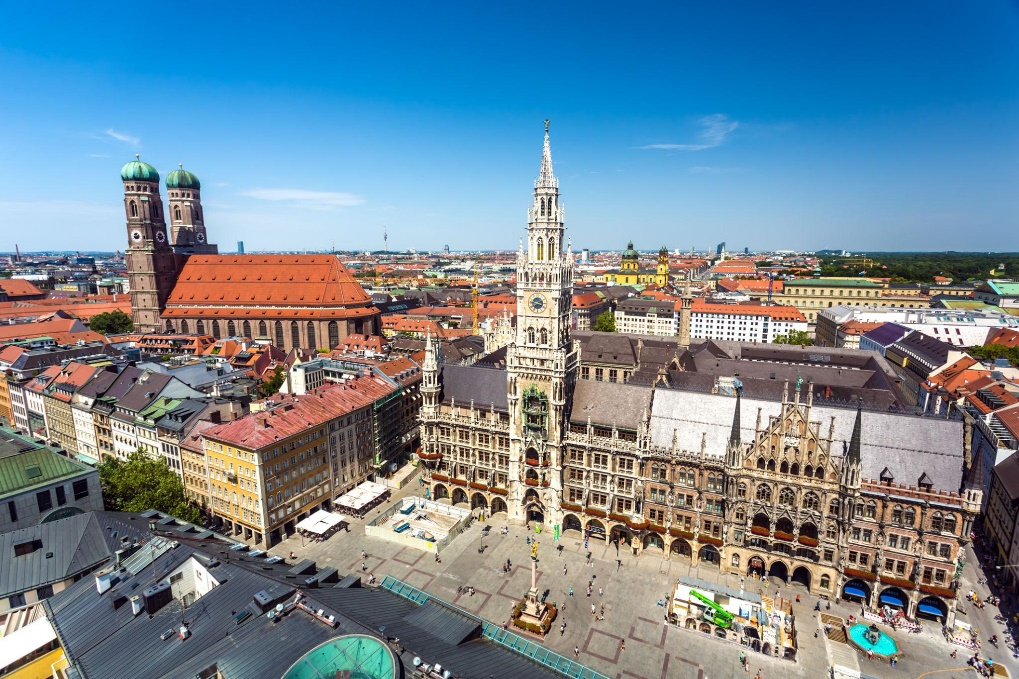
- Average Salary: €59,000+
- Living Cost: High
- Known for: Engineering, IT, finance
Frankfurt – Financial Hub of Europe
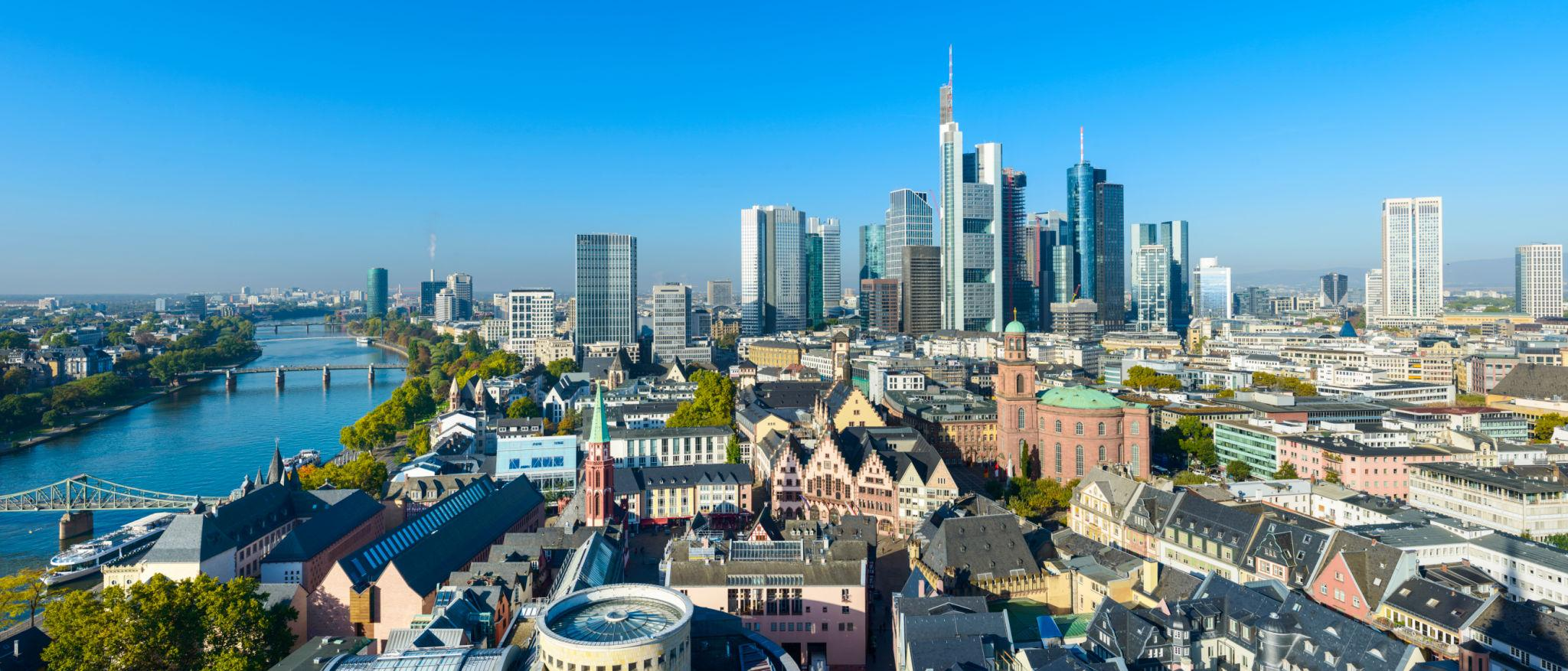
- Average Salary: €57,000+
- Best for finance and banking professionals
Berlin – Startup & Tech Capital

- Average Salary: €55,000+
- Popular among IT and startup professionals
Hamburg – Balanced Career & Lifestyle
- Average Salary: €58,000+
- Good mix of salary and living standards
Industry-Wise Salary Breakdown
Different industries offer varying salary ranges depending on demand and specialization.
IT & Technology Sector
- Software Developer: €54,000 – €73,000
- Data Scientist: €50,000 – €70,000
- AI Specialist: €54,000 – €75,000
- Cybersecurity Expert: €68,000 – €85,000
👉 One of the fastest-growing and highest-paying sectors.
Engineering Sector
- Mechanical Engineer: €52,000 – €70,000
- Electrical Engineer: €51,000 – €70,000
- Civil Engineer: €50,000 – €65,000
👉 Core strength of Germany’s economy.
Healthcare Sector
- Doctor: €55,000 – €95,000
- Dentist: €54,000 – €72,000
- Nurse: €33,000 – €60,000
👉 High demand due to aging population.
Finance Sector
- Investment Banker: €61,000 – €90,000
- Finance Manager: €58,000 – €93,000
- Accountant: €40,000 – €55,000
Education Sector
- University Lecturer: €68,000 – €100,000
- Teacher: €40,000 – €55,000
Why Germany Needs Skilled Professionals in 2026
Germany is currently facing a significant shortage of skilled workers, creating strong demand for international talent.
High-Demand Areas:
- IT & digital transformation
- Engineering & manufacturing
- Healthcare services
- Finance & analytics
This shortage has led to:
- Better salary packages
- Faster hiring processes
- Improved immigration pathways
What This Means for Indian Professionals
For Indian professionals, Germany offers excellent career prospects.
Key Advantages:
- High earning potential
- Strong job security
- Opportunities in global companies
- Pathways to long-term residency
With the right skills and preparation, professionals can build a stable and rewarding international career.
Things to Consider Before Moving
While salaries are attractive, it’s important to evaluate:
- Cost of living in different cities
- Tax structure (can be high)
- Language requirements (basic German helps)
- Industry-specific demand
Proper planning ensures a smoother transition.
Final Thoughts: Is Germany Worth It in 2026?
Germany continues to stand out as a destination that offers more than just a paycheck. With its strong economy, structured salary system, and high quality of life, it provides a well-rounded career environment.
While earnings vary based on qualifications, experience, and location, the country offers consistent growth opportunities for skilled professionals.
👉 If you are planning to work abroad, Germany remains one of the most reliable and rewarding choices in 2026.
FAQs
1. What is the average salary in Germany in 2026?
Typically between €40,000 and €67,000 annually.
2. Which city pays the highest salary?
Munich and Frankfurt are among the highest-paying cities.
3. Which industry pays the most?
IT, finance, and healthcare sectors offer top salaries.
4. Is Germany good for Indian professionals?
Yes, due to high demand and strong career growth opportunities.
5. Do I need German language skills?
Not always, but basic knowledge improves job prospects.